


Inland Empire's Logistics & Distribution Hub
Pristine Property Cleaning serves Ontario's extensive warehouse, industrial, and commercial properties with comprehensive janitorial services. This strategic transportation hub hosts major logistics operations and distribution centers requiring reliable facility maintenance. From Ontario International Airport area warehouses to business parks and retail centers throughout the city, we maintain facilities supporting Inland Empire commerce. Our property management background means we understand what high-activity industrial and commercial properties need.
We provide office janitorial programs, overnight cleaning services, day porter support, post-construction cleanup, move-in and move-out preparation, and haul-away solutions. Call 626-716-6892 or reach out online today!
What Makes Warehouse Cleaning Different From Office Cleaning?
Warehouse cleaning addresses larger spaces, industrial debris, heavy equipment areas, and different sanitation requirements than offices.
- Scale & Square Footage: Warehouses often exceed 100,000 square feet, dwarfing typical office spaces significantly in size. Larger areas require more time, more crew members, and different equipment to complete jobs properly. Floor care becomes a major undertaking with extensive concrete surfaces needing regular attention. Size alone changes every aspect of cleaning operations fundamentally.
- Industrial Debris: Warehouses accumulate packing materials, pallets, shrink wrap, and shipping debris, unlike office trash. Dust from products, loading docks, and equipment creates heavier cleaning challenges throughout spaces. Spills from forklifts, machinery, and inventory handling need different approaches than office accidents. Industrial environments generate unique waste requiring appropriate handling methods.
- Equipment Navigation: Cleaning around forklifts, conveyor systems, racking, and machinery requires careful coordination to prevent damage. Crews must understand warehouse operations, avoiding interference with critical equipment and inventory systems. Office cleaning doesn't involve navigating heavy machinery or industrial storage systems at all. Warehouse expertise ensures safe, effective cleaning around Ontario operations.
- Loading Dock Areas: Docks accumulate dirt from outside traffic, weather exposure, and constant loading and unloading activities. These transition zones between interior and exterior need frequent attention to control tracked-in debris. Office buildings have limited exterior exposure compared to active warehouse dock operations. Dock maintenance requires specialized focus and frequent service.
- Safety Requirements: Warehouses often have specific safety protocols regarding equipment, chemical storage, and operational procedures during cleaning. Crews need awareness of hazardous materials storage areas, fire suppression systems, and emergency equipment. Industrial settings carry different liability and safety considerations than typical offices. Proper training protects everyone working in warehouse environments.
Can Overnight Janitorial Work Around 24/7 Warehouse Operations?
Yes, overnight janitorial coordinates with warehouse operations, cleaning sections while avoiding active work areas systematically.
- Zone Cleaning Approach: Crews clean specific warehouse zones during slower operational periods, rotating through the facility systematically. Different sections get cleaned on different nights, ensuring comprehensive coverage without disrupting workflows. Coordination with warehouse managers identifies the best timing for each area's cleaning cycles. Strategic scheduling prevents operational interference completely.
- Shift Coordination: Cleaning schedules align with warehouse shift changes or slower production periods throughout nights. Break times, shift transitions, or reduced-activity windows provide cleaning opportunities without stopping operations. Understanding your Ontario facility's rhythm allows smart scheduling, benefiting everyone involved. Communication makes coordination effective and seamless.
- Safety Protocols: Crews follow warehouse safety requirements, including high-visibility clothing, equipment awareness, and restricted area policies. Cleaners understand where active forklifts operate, avoiding those zones until appropriate times. Safety training ensures cleaning activities never compromise warehouse operations or employee safety. Professional awareness prevents accidents and disruptions.
- Flexible Timing: Some warehouse areas may clean during daytime slower periods rather than strictly overnight hours. Flexibility around your operational patterns ensures cleaning happens when it impacts productivity least. Custom scheduling accommodates unique warehouse rhythms and requirements perfectly. Adaptability distinguishes professional service from rigid approaches.
- Communication Systems: Direct communication channels between cleaning supervisors and warehouse managers allow real-time coordination and adjustments. Quick updates about unexpected production needs or cleaning issues prevent conflicts from developing overnight. Responsive communication ensures the smooth coexistence of cleaning and operations simultaneously. Partnership requires ongoing dialogue between teams.
What Daily Tasks Should Day Porters Prioritize In Commercial Buildings?
Day porters should prioritize restroom maintenance, entrance areas, immediate spill response, and customer-facing spaces continuously.
- Restroom Monitoring: Facilities with public or heavy employee traffic need restroom checks every 1-2 hours minimum. Quick cleaning maintains sanitary conditions and prevents embarrassing situations for building occupants. Supply restocking happens proactively before shortages occur, frustrating users for days. Restroom condition directly impacts the building's reputation constantly.
- Entrance & Lobby Care: First impressions form within seconds of entering Ontario buildings, requiring constant entrance attention. Tracked dirt, fingerprints on glass, and lobby clutter need immediate addressing maintaining professional appearance. High-traffic entries accumulate visible debris faster than any other building areas combined. Continuous entrance maintenance shows professionalism and care instantly.
- Spill Response: Immediate cleanup of spills prevents stains, safety hazards, and bigger messes from developing due to delays. Coffee spills, food accidents, or tracked water all need fast attention to protect floors and prevent falls. Quick response eliminates problems before they escalate into costly repairs or injuries. Speed distinguishes porter value from scheduled janitorial service alone.
- Common Area Upkeep: Break rooms, conference rooms, and shared spaces stay functional and presentable throughout business hours. Tables get wiped between meetings, trash gets emptied before overflowing, and surfaces stay clean continuously. Occupied spaces can't wait for overnight cleaning, addressing issues as they arise naturally. Real-time maintenance supports ongoing business activities effectively.
- Communication With Management: Porters report facility issues, maintenance needs, and supply requirements to appropriate personnel promptly. Being present during business hours allows for identifying problems that overnight crews never observe. Eyes and ears throughout days catch small problems before they become big, expensive issues. Proactive communication adds value beyond just cleaning tasks alone.
How Does Construction Type Affect Post-Construction Cleaning Difficulty?
Construction type dramatically affects cleaning difficulty through dust volume, material types, finish complexity, and debris characteristics.
- New Construction: Building from scratch generates maximum dust, debris, and protective materials, requiring the most intensive cleaning. Every surface starts with construction residue needing complete removal before occupancy begins at all. New builds involve all trades, creating comprehensive contamination throughout entire properties simultaneously. Starting from the construction state to move-in ready demands extensive effort.
- Renovation Projects: Remodeling existing spaces generates substantial dust while working around occupied areas, creating additional challenges. Protecting non-construction zones from contamination adds complexity not present in empty new construction. Renovations combine new construction debris with existing building maintenance needs simultaneously. Mixed conditions complicate cleaning processes, requiring careful attention.
- Tenant Improvements: Light modifications for new tenants generate less debris than major renovations or construction. Paint, minor drywall work, and flooring updates create manageable dust and waste requiring basic post-construction service. Scope determines difficulty more than project type in tenant improvement scenarios. Limited work equals limited cleaning requirements, naturally.
- Material Types: Drywall creates fine dust coating everything, while concrete work generates heavy, gritty residue needing different approaches. Wood construction produces sawdust behaving differently than tile or metal debris throughout properties. Different materials require different cleaning products, techniques, and time investments to achieve results. Material characteristics directly impact cleaning difficulty substantially.
- Finish Complexity: Detailed millwork, specialty surfaces, and custom finishes need extra care to protect valuable installations. Simple painted drywall cleans faster than intricate wood paneling or specialty wall treatments. Complexity adds time regardless of square footage or construction type involved. Detail work demands careful attention, preventing damage during cleaning.
What Preparation Helps Move-In & Move-Out Cleaning Go Smoothly?
Empty properties, active utilities, clear access, realistic timelines, and communication about special needs ensure smooth service.
- Completely Empty Spaces: Removing all furniture, belongings, and personal items before cleaning crews arrive prevents delays and confusion. Cleaners can't work around furniture or distinguish trash from valued possessions safely or efficiently. Empty properties allow unrestricted access to all surfaces needing attention throughout Ontario units. Complete vacancy is the single biggest factor ensuring smooth cleaning.
- Active Utilities: Running water and electricity must remain on during cleaning operations for equipment and tasks. Adequate lighting allows crews to see dirt and verify thorough cleaning completion properly. Water access is absolutely essential for bathroom, kitchen, and floor cleaning throughout properties. Utilities enable proper cleaning; without them, work can't proceed effectively.
- Access Coordination: Providing keys, codes, or lockbox information at scheduled times prevents wasted trips and delays. Clear communication about access methods and any special entry requirements helps tremendously. Crews arriving to locked properties without access can't work, wasting everyone's time. Simple coordination prevents unnecessary complications and frustration.
- Realistic Scheduling: Allowing adequate time for thorough cleaning prevents rushed work, compromising quality standards needlessly. Properties requiring extensive work need appropriate time allocations meeting realistic expectations for scope. Rushing creates stress and reduces quality outcomes, disappointing everyone involved unnecessarily. Proper planning produces better results, benefiting all parties.
- Condition Communication: Discussing property condition, special concerns, or unusual situations during booking prevents surprises on-site. Photos or detailed descriptions help crews prepare appropriately with the correct equipment and supplies. Known challenges allow proper planning, while surprises cause delays and complications on-site. Information sharing enables better preparation and smoother execution.
What Size Limitations Exist For Haul Away Trucks?
Standard haul-away trucks handle loads around 2,000-3,000 pounds with approximately 14-16 cubic yards of volume capacity.
- Weight Capacity: Most items from homes and offices fall well within our trucks' weight limits easily. Standard furniture, appliances, and typical debris loads without problems in normal situations. Extremely heavy items like commercial safes or industrial equipment may exceed capacity limits. Weight rarely becomes a limiting factor for typical residential and commercial cleanouts.
- Volume Constraints: Physical space inside trucks limits loads regardless of actual weight in many situations. Bulky but lightweight items may fill trucks before reaching the weight capacity completely. Large furniture pieces, extensive packaging materials, or voluminous debris may require multiple trips. Space often constrains capacity more than weight in practical applications.
- Item Dimensions: Extremely large furniture or equipment may not fit through truck openings or fit inside at all. Oversized pieces sometimes need disassembly for transport, becoming viable for standard haul-away service. Unusual dimensions create challenges regardless of weight or volume considerations independently. Size compatibility matters beyond just weight and volume measurements.
- Multiple Load Capability: Projects exceeding single-load capacity simply require multiple trips to disposal facilities to complete jobs. We coordinate efficient scheduling, minimizing overall time while removing everything requested thoroughly. Large Ontario cleanouts get handled through systematic loading and disposal over several trips. Volume projects need appropriate time and trip investments.
- Load Assessment: Experienced crews estimate capacity accurately during consultations, preventing overload situations and safety issues. Proper weight distribution and securing techniques ensure safe transport to facilities always. Professional handling protects trucks, crews, and loads during transportation throughout the process. Expertise prevents problems through proper assessment and planning upfront.
Professional Ontario Commercial Cleaning
Ontario's industrial, warehouse, and commercial sectors deserve cleaning services supporting Inland Empire logistics operations effectively. From distribution centers to business parks, we maintain facilities with the reliability Ontario businesses require daily. Our property management experience ensures comprehensive service beyond basic janitorial tasks alone. Trust Pristine Property Cleaning for commercial cleaning throughout Ontario. Call 626-716-6892 for service excellence.
Recent Jobs and Reviews in Ontario, CA
Our Local Reviews by City
- Brea, CA (1)
- Claremont, CA (1)
Job Locations and Reviews
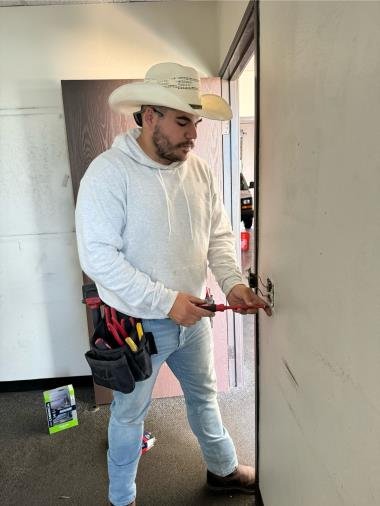
Move-Out Cleaning Service: Dispatched to a residence for a complete move-out cleaning. Removed leftover debris and cleaned all rooms from top to bottom. Degreased and sanitized kitchen appliances, cabinets, and countertops. Scrubbed bathrooms, including tubs, tile, sinks, and toilets. Vacuumed and mopped all floors, wiped baseboards, and cleaned interior windows to prepare the unit for new occupants.